
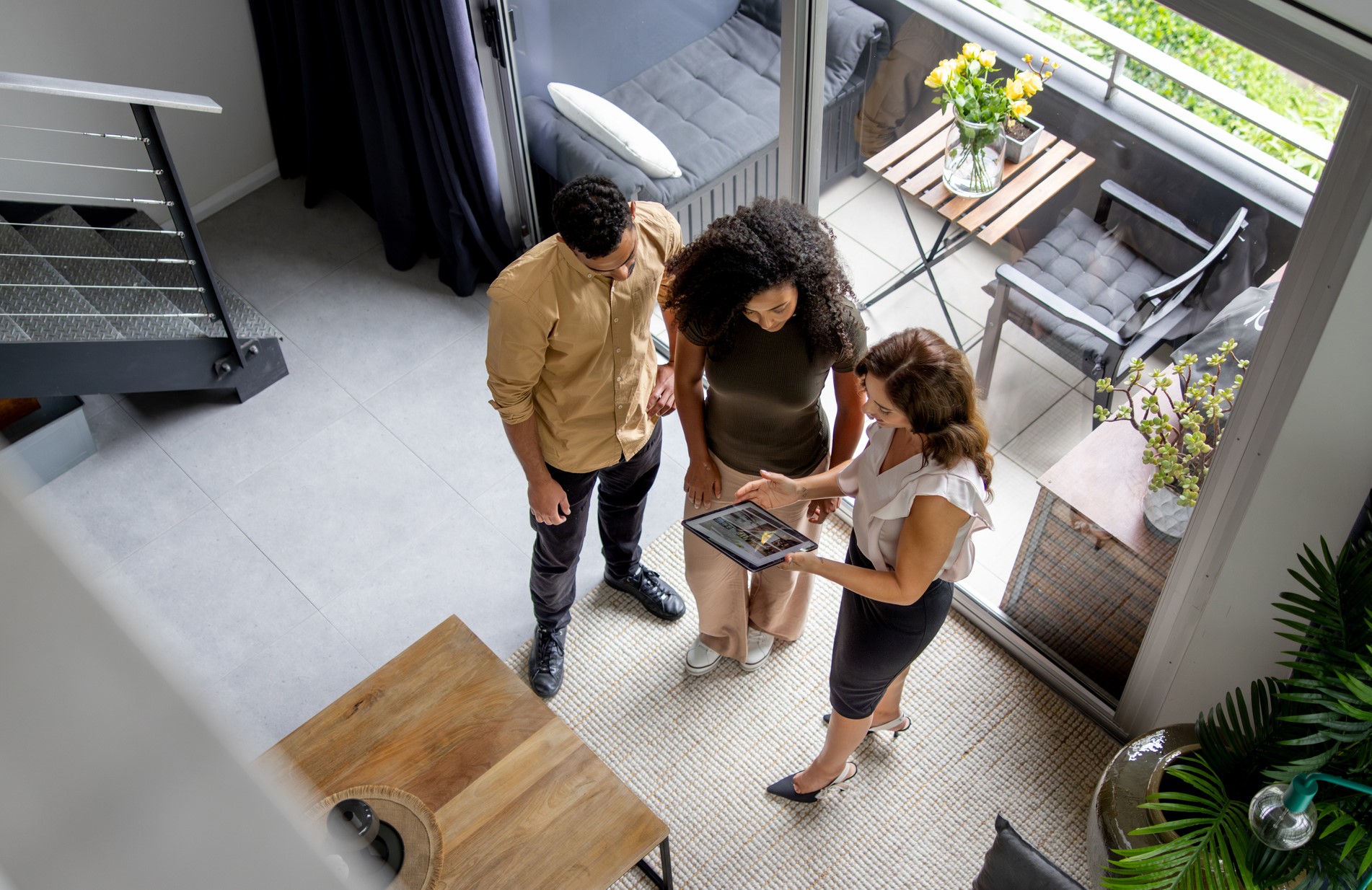
Flex rooms are increasingly becoming some of the most sought-after features in Laguna Beach homes.
Laguna Beach has long been defined by its effortless blend of coastal living, creativity, and relaxed luxury. As today’s buyers look for homes that can adapt to changing routines, remote work, hobbies, and hosting needs, many are asking the same practical question: What is a flex room in a house, and why has it become such a valuable feature?
Simply put, a flex room is a versatile space designed to serve different needs over time, rather than being limited to one fixed purpose.
In a community where work, leisure, guests, and creativity often overlap, these adaptable spaces have become one of the most sought-after features in the local market. What was once considered a standard bonus room is now being reimagined as a more intentional, lifestyle-driven space with coastal appeal.
For both buyers and sellers in Laguna Beach, the rise of flexible living reflects a broader shift toward homes that feel personalized, functional, and effortlessly suited to coastal life. Ahead, we’ll explore why flex spaces are commanding so much attention and how thoughtful design can help maximize their appeal.
Table of Contents:
- The Market Signal: Why Flex Rooms Are Trending
- What Laguna Buyers Are Using Flex Rooms For
- Design and Planning: Making a Flex Room Feel Purposeful
- Staging and Photography: How to Show a Flex Room in Listings
- Appraising Value: Does a Flex Room Actually Move the Needle?
- An Actionable Checklist for Sellers
- Frequently Asked Questions
- Embrace Flexible Living in Laguna Beach
THE MARKET SIGNAL: WHY FLEX ROOMS ARE TRENDING
Across the country, luxury living is no longer just about having more space. It’s about having space that feels intentional, adaptable, and connected to daily life.
As routines evolve, buyers want homes that can support changing needs without requiring major renovations. Extra square footage is now valued for its flexibility, not just its size.
That’s where a thoughtfully designed flex room comes in, offering versatile space that can shift with a homeowner’s lifestyle.
Several national market trends continue to drive demand for adaptable living spaces:
- Remote and hybrid work have increased the need for more private, functional areas within the home
- Wellness-focused living has created demand for spaces that support comfort, restoration, and daily routines
- Buyers are prioritizing multi-use layouts that maximize every square foot of the home
- Personalized interiors, hobby rooms, and creative studios have become more desirable lifestyle features
- Homes with flexible layouts are often viewed as more marketable and better suited for long-term living
WHAT LAGUNA BUYERS ARE USING FLEX ROOMS FOR
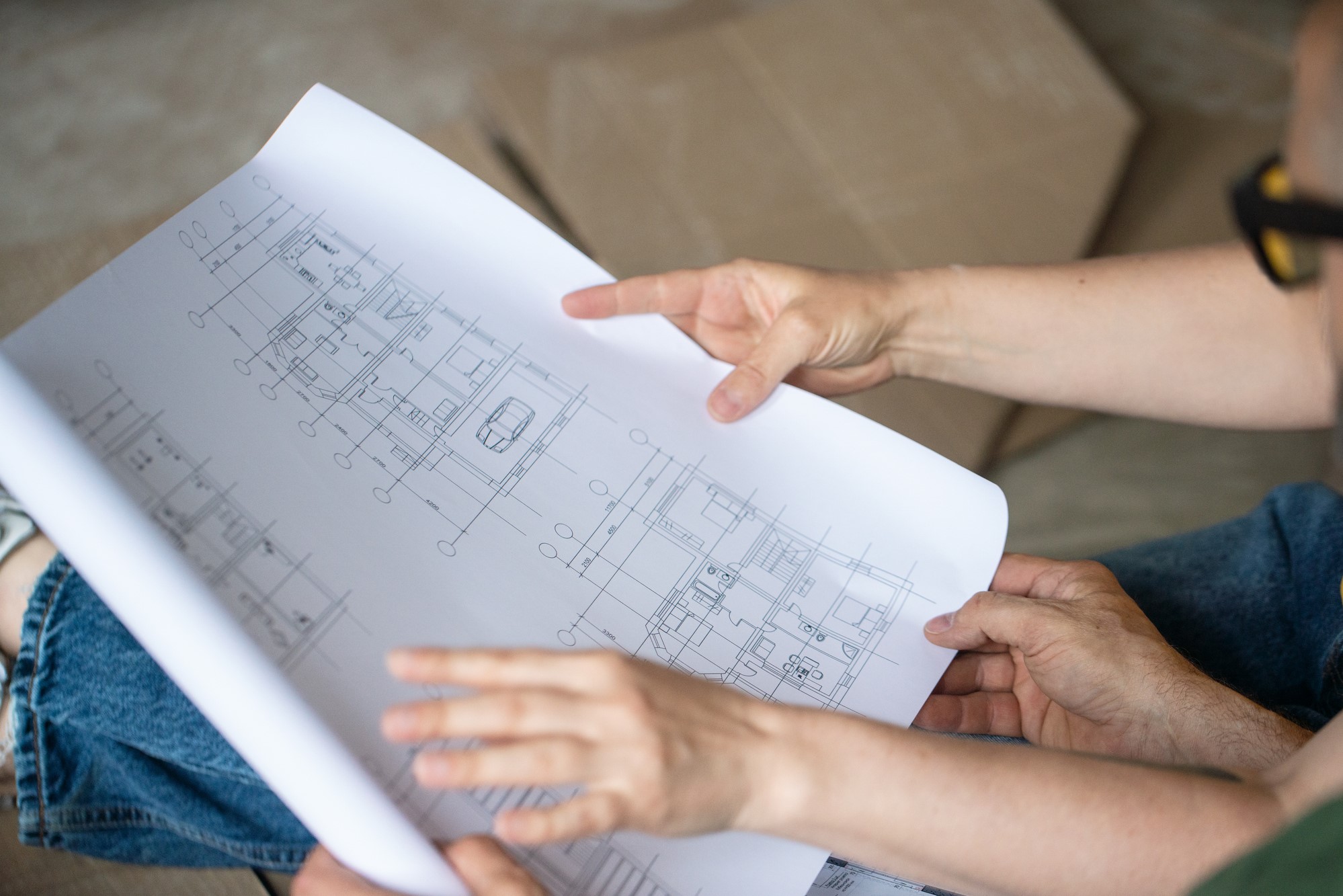
If your home has space to spare, you might want to look into converting it into a flex room.
As of 2026, demand for adaptable living in Laguna Beach reflects a broader shift toward intentional, high-performance homes. Buyers are no longer treating extra rooms as overflow space. Instead, they are designing each flex room around specific Laguna Beach lifestyle needs, creating spaces that feel both personal and practical. The result is a home that feels both personal and highly functional, with every square foot working harder.
Here are some of the ways Laguna Beach buyers are reimagining these adaptable spaces:
- Home office and hybrid work hub – Remote work continues to shape how buyers evaluate a home’s layout. Dedicated workspaces with natural light, built-in storage, and enough privacy for meetings are especially appealing, particularly when paired with calming garden or ocean views. Many homeowners are also designing offices that can easily transition into guest rooms or media spaces when needed.
- Wellness, yoga, and meditation retreat – Wellness remains deeply connected to the Laguna Beach lifestyle. Bonus rooms are increasingly being transformed into quiet spaces for yoga, meditation, sound healing, or recovery treatments like infrared saunas and cold plunges. Rooms that embrace natural textures, greenery, and indoor-outdoor flow feel especially aligned with the area’s relaxed coastal atmosphere.
- Guest suite or short-term rental setup – Flex spaces with private entrances, thoughtful storage, and separation from the main living areas are highly attractive for hosting friends and family. Some homeowners are also using these rooms seasonally as short-term rental accommodations, creating additional income potential while maintaining flexibility for personal use.
- Creative studio or maker’s room – Laguna Beach’s artistic roots continue to influence how residents use their homes. Spare rooms are being converted into painting studios, pottery spaces, photography rooms, and even surfboard storage or repair workshops that reflect the city’s creative and outdoors-oriented culture.
- Playroom, study area, or multi-generational living space – Families are also prioritizing adaptable layouts that can evolve with changing needs. A playroom can later become a homework lounge, private den, or comfortable space for extended family members returning home or aging in place.
DESIGN AND PLANNING: MAKING A FLEX ROOM FEEL PURPOSEFUL
In Laguna Beach, the most successful multi-use spaces are the ones that feel purposefully designed from the start. Rather than appearing temporary or overly specific, a thoughtfully designed flex room balances function with a calm, cohesive aesthetic that complements the home’s coastal character. Buyers are increasingly drawn to spaces that feel polished, adaptable, and easy to personalize, while sellers benefit from presenting these rooms with a clear sense of purpose.
A few intentional design choices can make even a smaller bonus room feel elevated and highly usable:
- Start with layered lighting and built-ins – Soft overhead lighting paired with task lamps or sconces instantly makes a room feel more refined and functional. Built-in shelving, cabinetry, or window seating helps maximize storage while giving the space a custom, architectural feel. In Laguna Beach homes, light oak finishes, soft whites, muted sage tones, and natural textures keep the room feeling airy and connected to the coastline.
- Use flexible furniture layouts – The most versatile rooms are designed around adaptability. A floating desk and lounge chair create an elegant office-library combination, while a Murphy bed or daybed allows a guest room to double as a den. Creative studios benefit from modular furniture, rolling storage carts, and open wall space that can evolve alongside hobbies or projects.
- Prioritize smart storage and acoustics – Concealed cable management, additional outlets, and built-in drawers help workspaces feel streamlined rather than cluttered. Area rugs, upholstered seating, and heavier drapery can also soften sound, making the room more comfortable for video calls, overnight guests, or quiet relaxation.
- Focus on upgrades with strong visual payoff – Many of the most effective improvements are relatively approachable. Fresh paint in warm neutrals, updated sliding doors, custom shelving, or pre-built cabinetry can dramatically shift how intentional a room feels without requiring a major renovation investment.
STAGING AND PHOTOGRAPHY: HOW TO SHOW A FLEX ROOM IN LISTINGS
As it turns out, staging a flex room is a relatively straightforward affair—you just have to be well-prepared before starting.
When marketing homes for sale in Laguna Beach, CA, presentation matters just as much as square footage. Buyers respond best to spaces that feel intentional and easy to understand, which is why a thoughtfully staged flex room often photographs far better than an empty bonus area. The goal is not to show every possible use at once, but to create a clear lifestyle narrative that helps buyers immediately picture themselves in the space.
A focused staging and photography strategy can make the room feel more valuable and memorable in listing photos:
- Stage for the buyer you want to attract – Tailor the room to the lifestyle most likely to resonate with your ideal buyer profile. A sleek desk setup with layered lighting and built-in shelving appeals to remote professionals, while a cozy daybed and soft textiles can position the space as a welcoming guest retreat. For family-oriented buyers, a polished playroom or study lounge often feels more relatable and functional than a generic empty room.
- Use photography that tells a story – Wide-angle shots are important, but detail-driven vignette photos create warmth and personality. A reading chair beside a window, neatly styled shelving, or a workspace with curated accessories helps buyers emotionally connect to the room. Natural light should always be prioritized, with blinds fully open and furnishings arranged to make the room feel bright and expansive. Neutral palettes and thoughtfully scaled furniture also help the space appear larger in photos.
- Write listing copy that highlights lifestyle and flexibility – Strong marketing language should emphasize how the space enhances daily living rather than simply describing dimensions. Lifestyle-focused examples include:
- “Light-filled bonus room ideal for a private home office or creative studio.”
- “Flexible upper-level retreat designed for guests, wellness, or quiet remote work.”
- “Adaptable den with built-ins and natural light, perfect for evolving family needs.”
APPRAISING VALUE: DOES A FLEX ROOM ACTUALLY MOVE THE NEEDLE?
Buyers looking at homes for sale in Laguna Beach, CA are placing greater value on properties that feel adaptable, intentional, and ready to support multiple stages of life. That shift has made the thoughtfully designed flex room far more than a secondary feature. In competitive coastal markets like Laguna Beach, versatile living spaces can meaningfully influence buyer interest, perceived functionality, and long-term resale appeal.
Much of that value comes down to buyer psychology. Flexible rooms reduce the mental workload that often comes with purchasing a home because buyers can immediately envision how the space fits into their lifestyle. A staged office, wellness retreat, or guest suite creates a sense of possibility without requiring future renovations or expensive redesigns. That emotional connection often translates into stronger engagement during showings and, in some cases, more competitive offers.
Still, there are situations where a dedicated bedroom may carry more measurable value than an open-ended bonus room:
- Understand when an official bedroom matters – From an appraisal standpoint, a room that qualifies as a bedroom typically contributes more value than a den or loft. Most bedrooms require a closet, proper egress, and a door to qualify officially. In neighborhoods where four-bedroom homes consistently outperform three-bedroom properties, converting a bonus room into a permitted bedroom may improve resale positioning.
- Know when flexibility is the stronger selling point – Smaller spaces or rooms without ideal window placement often function better as offices, media lounges, or wellness rooms rather than cramped bedrooms. Buyers tend to respond more positively when the use feels natural and thoughtfully designed.
- Factor permitting into renovation plans – Structural changes, enclosed spaces, or bedroom conversions should always align with local permitting requirements. Proper documentation matters, especially in luxury markets where buyers and appraisers closely evaluate quality and compliance.
If you’re looking to sell your home, here’s a simple ROI checklist you can consult before upgrading:
- Does the renovation reflect current buyer demand in your area?
- Will the finishes feel consistent with the surrounding luxury homes?
- Can the room be staged clearly with a strong lifestyle focus?
- Are comparable listings offering similar office, guest, or wellness spaces?
When approached strategically, an adaptable living space often delivers value because it allows buyers to see a home working for both their current lifestyle and future needs.
AN ACTIONABLE CHECKLIST FOR SELLERS
Flex rooms offer countless opportunities for buyers and homeowners alike.
A thoughtfully presented flex room can help buyers connect emotionally to a home while also reinforcing its long-term functionality. The key is to make the space feel intentional, polished, and easy to envision as part of everyday living. For sellers preparing to list, a few strategic adjustments can make the room feel more valuable without requiring a major renovation.
Use this quick checklist before photography, staging, and showings:
- Pick a clear target use – Define the room with one primary purpose, such as a home office, wellness retreat, guest lounge, or creative studio, rather than trying to showcase multiple uses at once.
- Declutter and depersonalize thoroughly – Clear surfaces, remove excess furniture, and pack away highly personal items so buyers can more easily picture their own lifestyle in the space.
- Create a strong lifestyle vignette – Small details help buyers emotionally connect to the room. A neatly styled desk setup, rolled yoga towels, or an art station with curated materials can subtly communicate how the space enhances everyday living.
- Maximize openness and circulation – Arrange furniture to create easy walking paths and preserve a sense of spaciousness, particularly in smaller bonus rooms.
- Highlight natural light in every showing – Open blinds and curtains fully before photography or tours so the room feels bright, airy, and connected to Laguna Beach’s indoor-outdoor lifestyle.
- Deep clean every visible surface – Buyers notice details. Clean windows, fresh-smelling interiors, spotless flooring, and dust-free shelving all contribute to a more elevated presentation.
- Ensure the room feels cohesive with the rest of the home – Transitional spaces photograph better and feel more intentional when the room’s styling, finishes, and overall tone align naturally with adjacent areas.
- Review comparable listings before pricing – Pay attention to how nearby homes market offices, guest suites, or wellness spaces. Positioning your home competitively within that landscape can strengthen buyer interest early in the listing period.
FREQUENTLY ASKED QUESTIONS
-
Does a flex space count as an official bedroom?
Usually not. To be classified as a bedroom, the space typically needs a closet and a proper egress window. Even without that designation, a well-presented flex room still adds meaningful lifestyle value and can strongly influence buyer perception. -
What are buyers most commonly using flex spaces for?
Home offices remain the leading use, followed closely by wellness-focused rooms, guest accommodations, creative studios, and practical storage for surfboards, wetsuits, and beach gear that suits coastal living. -
Does a flex space increase resale value?
In many cases, yes. Buyers respond positively to adaptable layouts, and a well-designed flex room can enhance perceived livability, which often contributes to stronger offers in competitive segments. -
How should sellers decide whether to stage it as an office or a bedroom?
It depends on your likely buyer profile. Professional buyers tend to prioritize a polished office setup, while families often connect more with guest-ready or study-focused staging. -
Can a flex space be converted into a private guest suite or rental later?
In some cases, yes, particularly if zoning and permitting allow for lock-off or casita-style configurations. Local regulations should always be reviewed before making structural changes. -
What’s the most effective way to present a flex room during showings?
Keep the use clear and singular, avoid clutter, and ensure the space is well-lit and intentionally staged so buyers immediately understand its purpose and potential.
EMBRACE FLEXIBLE LIVING IN LAGUNA BEACH
Modern coastal living is increasingly defined by adaptability, and nowhere is that more evident than in the rise of the flex room. More than ever, buyers are looking for spaces that can shift easily between work, wellness, hosting, and creative living, while sellers are learning how thoughtful staging and design can meaningfully elevate both appeal and perceived value. From appraisal considerations and ROI potential to staging strategy and design clarity, flexibility has become a key driver in how homes are evaluated and remembered.
Successfully positioning these spaces requires more than aesthetic polish. It also requires local expertise—someone who can translate how these rooms function in real transactions and how buyers in this market assign value to them.
From clarifying what a flex room is in a house to showing how it shapes pricing, presentation, and negotiation, a knowledgeable local expert helps turn design choices into clear strategic advantages. In a competitive luxury market, that level of insight can meaningfully influence both marketing performance and outcomes.
For tailored guidance on buying or selling a home with a thoughtfully designed flex room, connect with Shauna Covington and Leita Covington at 949.412.8088 and 949.395.3037 or send them a message to schedule a personalized consultation.
Let's Connect